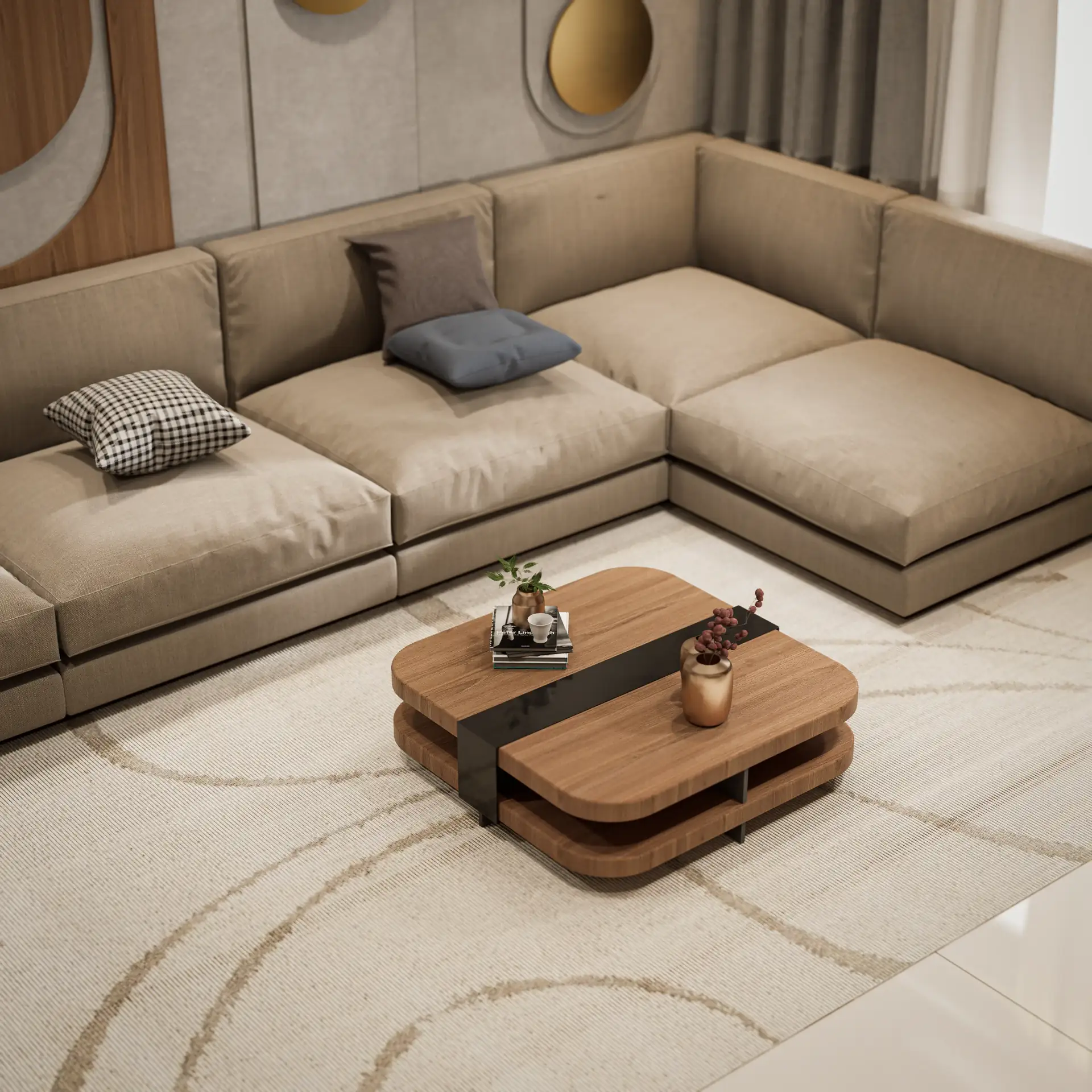
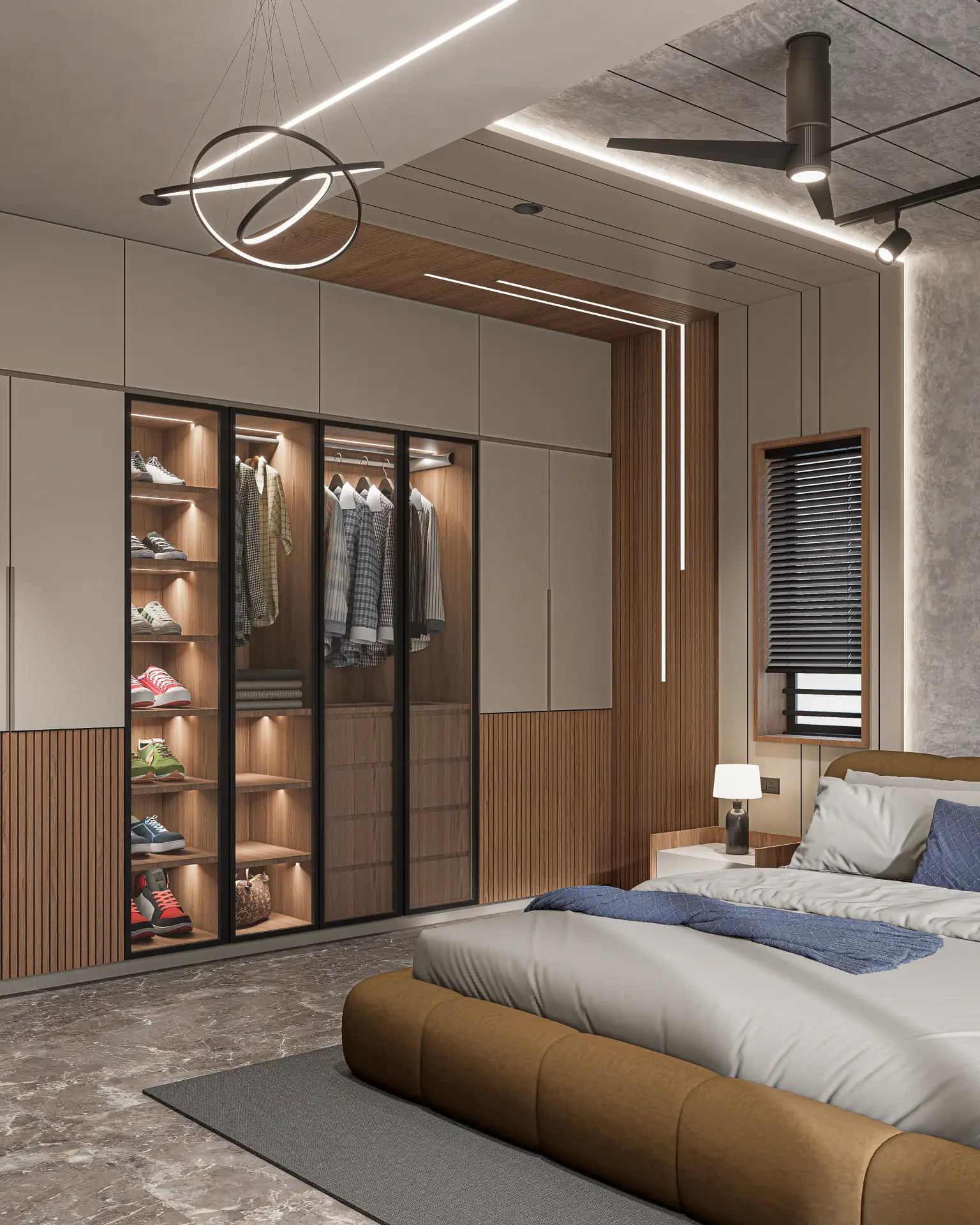
The fundamental challenge in designing high-performance outdoor living spaces—balconies, terraces, and expansive gardens—within Rajkot's demanding climate is not merely aesthetic, but an intricate engineering problem. Conventional approaches often fail to address the relentless sun exposure, torrential monsoons, and significant thermal fluctuations that degrade materials, compromise structural integrity, and diminish the very allure intended. Craft - The Design Studio approaches this by meticulously integrating advanced material science, precise geometric calculations, and sophisticated systems engineering to deliver truly resilient and beautiful outdoor environments, specifically focusing on balcony and terrace garden interior design Rajkot.
The Core Spatial & Technical Problem: Bridging Aesthetics with Environmental Resilience
Creating an idyllic outdoor sanctuary in Rajkot demands more than selecting attractive planters and furniture. The core problem lies in specifying materials and systems that can withstand extreme environmental stressors without constant maintenance or premature failure. Traditional timber decking succumbs to rot, termites, and warping within years; inadequate drainage leads to water stagnation, structural damage, and mosquito breeding grounds; and poorly chosen lighting fixtures corrode, fail, or create undesirable glare. The aspiration for lush vertical gardens often clashes with the reality of inefficient irrigation, nutrient imbalance, and structural overload, turning a design feature into a persistent liability. Our work on high-end residential projects like Golden Heights and Silver Heights in Morbi consistently confronts these very issues, requiring solutions that are both visually captivating and technically uncompromising.
Mathematical, Geometric & Material Physics Solutions: Engineering Enduring Beauty
Precision Weatherproof Wood Composite Decking Systems
Our specification for weatherproof wood composite (WPC) decking is rooted in a deep understanding of material behavior under stress. We select high-density polyethylene (HDPE) or polypropylene (PP) based composites, reinforced with fine wood fibers (typically 50-60% wood content) and UV stabilizers. This formulation provides a superior thermal expansion coefficient, typically in the range of 50-70 x 10-6 /°C. For a 3.6-meter deck board, a 25°C temperature swing (common between Rajkot's coolest nights and hottest days) necessitates an expansion gap of approximately 3.6m * 70 x 10-6/°C * 25°C = 6.3mm. We specify a minimum 5mm gap between board ends and a 3mm gap between board sides, precisely managed by hidden clip systems, to accommodate these movements without buckling or cracking. The substructure is non-negotiable: we mandate marine-grade aluminum joists (6063-T5 alloy) spaced at maximum 350mm on center, securely anchored to the concrete slab with corrosion-resistant fasteners. A minimum 1.5% slope for sub-base drainage is critical, preventing water accumulation beneath the decking, which can lead to efflorescence or mold growth. The decking material itself, with a typical density of 1.25 g/cm³, offers excellent load distribution, capable of supporting uniform live loads exceeding 4.0 kN/m².
Advanced Vertical Plant Walls: Sustainable Green Architecture
Vertical plant walls are not merely aesthetic elements; they are living, breathing ecosystems requiring precise engineering. We design closed-loop hydroponic or semi-hydroponic systems, minimizing water wastage and maximizing nutrient delivery. Each module, typically 400x400mm, is constructed from UV-stabilized recycled polypropylene, ensuring longevity against Rajkot's intense sun. Behind the modules, a multi-layered waterproofing strategy is paramount: a primary liquid-applied polymer membrane (e.g., polyurea or modified polyurethane) with a minimum 2mm dry film thickness, followed by a geotextile layer and a perforated drainage mat. The structural support system comprises marine-grade stainless steel or powder-coated aluminum frames, anchored to the building facade with chemical anchors, engineered to bear a saturated weight of 45-55 kg/m². Water recirculation is managed by a submersible pump (e.g., 2500 LPH, 0.75 HP) connected to a drip irrigation manifold with pressure-compensating emitters, ensuring uniform water distribution to each plant pocket. Nutrient solutions are precisely dosed via an automated system, maintaining an EC (Electrical Conductivity) between 1.2 and 2.5 mS/cm and a pH between 5.8 and 6.5, optimized for plant health in our regional climate. Our experience from the Sthapatya residential project highlighted the need for robust, easily accessible maintenance zones for pump and nutrient reservoirs.
Integrated Outdoor Lighting Systems: Shaping Ambiance and Function
Effective outdoor lighting transcends mere illumination; it sculpts space, enhances safety, and creates mood. All fixtures specified meet a minimum IP65 rating for dust and water ingress, with critical ground-recessed or submersible fixtures achieving IP67. We prioritize LED technology for its energy efficiency and longevity. Color temperature (CCT) is carefully calibrated: 3000K warm white for intimate seating areas to evoke warmth and relaxation, and 4000K neutral white for pathways or feature walls requiring better color rendering and visibility. A minimum CRI of 85 is non-negotiable to ensure natural representation of plant foliage and material textures. For accent lighting, narrow beam angles (15-30 degrees) are used to highlight specific features, while broader floods (60-120 degrees) provide ambient wash. Glare control is achieved through recessed optics, louvers, and careful aiming. Lens materials, typically tempered glass (IOR ~1.52) or polycarbonate (IOR ~1.58), are selected for optimal light transmission and impact resistance. Power distribution is low-voltage (12V or 24V DC) for safety and ease of installation, requiring appropriately sized, weather-sealed transformers. Voltage drop calculations are crucial for longer runs; for example, a 20-meter run of 12 AWG cable with a 100-watt load at 12V will experience a voltage drop of approximately 5%, which must be accounted for in fixture selection and transformer placement to maintain consistent lumen output across the entire installation. The reflection coefficient of WPC decking typically ranges from 0.2 to 0.4, influencing overall light levels and requiring precise luminaire placement to avoid hot spots or dark zones.
Structural Trade-Offs & Alternative Comparisons: Informed Material Selection
When specifying outdoor materials, every choice involves a complex set of trade-offs. For decking, while natural hardwoods like Teak or Ipe offer unparalleled organic aesthetics, their susceptibility to moisture, termites, and UV degradation in Rajkot's climate necessitates significant annual maintenance (sanding, oiling), impacting long-term cost of ownership. Their initial material cost can range from ₹800-₹1500/sq ft, excluding installation. In contrast, high-quality WPC decking, while having a more uniform appearance, offers superior dimensional stability, minimal maintenance, and a lifespan exceeding 20 years, with material costs typically between ₹300-₹800/sq ft. Outdoor-rated porcelain tiles (e.g., 20mm thick, 600x600mm format) are another durable option, resistant to fading and requiring minimal maintenance, but their hard surface can feel less inviting, and grout lines (typically 1.5-2mm) require periodic cleaning. For vertical gardens, while traditional pot-and-tray systems are simpler and less expensive initially, they demand significantly more manual labor for watering and fertilization, and their increased weight (up to 80-100 kg/m² with soil) can necessitate more substantial structural reinforcement compared to the lighter hydroponic modules. For lighting, line-voltage (230V AC) fixtures can offer higher lumen output for large areas but introduce greater safety risks in outdoor environments and require specialized, sealed junction boxes and conduits, making low-voltage LED systems (12V/24V DC) preferable for most residential and commercial balcony and terrace garden interior design Rajkot applications, as seen in our Office Design projects where safety and maintenance are paramount.
Failed Prototypes & Real Site Lessons: The Crucible of Experience
Our journey at Craft - The Design Studio is paved with invaluable lessons learned from real-world applications. A notable early prototype for a vertical garden system at a residential complex near the Twin Tower project in Rajkot revealed critical flaws: the initial waterproofing membrane behind the modules, a standard acrylic coating, failed within two monsoon cycles, leading to moisture ingress into the facade. This necessitated a complete system overhaul, replacing it with the multi-layered EPDM and liquid-applied polymer membrane system we now mandate. Similarly, early WPC decking installations with insufficient expansion gaps, based on generic manufacturer recommendations rather than our specific thermal calculations for Gujarat, resulted in severe buckling during peak summer temperatures, requiring partial re-installation. We also encountered issues with non-marine-grade outdoor lighting fixtures specified for a luxury apartment in Morbi; their aluminum bodies corroded rapidly due to high humidity and salty air proximity, leading to premature failure and costly replacements. These experiences underscore our commitment to rigorous material testing and site-specific engineering, transforming potential failures into refined, resilient solutions for projects like Flora 11 and Sthapatya.
Non-Negotiable Site Tolerances & Budget Thresholds: The Foundation of Quality
The success of any sophisticated outdoor installation hinges on adherence to strict site tolerances. For decking substructures, a concrete slab deviation of no more than +/- 2mm over a 3-meter span is non-negotiable to ensure a perfectly level and stable deck surface. Joist spacing must be maintained within +/- 5mm of the specified center-to-center dimension. Deck board gaps, critical for thermal expansion, must be consistent to within +/- 0.5mm. For vertical plant walls, the structural mounting points must be installed with a maximum deviation of +/- 1mm over 1 meter, ensuring perfect module alignment and preventing stress concentrations. Waterproofing layers must be applied to a completely clean, dry, and primed substrate, with no pinholes or unsealed seams. Any deviation from these metrics compromises structural integrity, aesthetic appeal, and long-term durability. Regarding budget, quality has a threshold. For a comprehensive balcony and terrace garden interior design Rajkot featuring premium WPC decking, a sophisticated vertical garden, and integrated outdoor lighting, clients should anticipate an investment of approximately ₹2,500 - ₹4,500 per square foot for the integrated systems (excluding loose furniture and large planters). Attempting to execute such intricate designs below a certain budget, for instance, under ₹2,000/sq ft, invariably leads to compromises in material quality, installation precision, or system longevity, resulting in higher long-term maintenance costs and diminished aesthetic value.
How to Execute with Craft - The Design Studio: Your Partner in Outdoor Excellence
At Craft - The Design Studio, with offices in Morbi and Rajkot, we transform the complex challenges of outdoor design into elegant, enduring realities. Our process begins with a deep dive into your vision, integrating it with a meticulous technical assessment of your site's specific environmental conditions. We move from conceptualization and detailed 3D visualization (showcasing every nuance, as perfected in our Flora 11 living room visualizations and Golden Heights penthouse renderings) to precise material specification, structural engineering, and comprehensive civil coordination. Our expertise extends beyond mere aesthetics; we manage the intricate interfaces between waterproofing, drainage, electrical systems, and horticultural requirements. We provide detailed tender documents, supervise on-site execution to ensure non-negotiable tolerances are met, and collaborate with specialist contractors to deliver a cohesive, high-performance outdoor space. For luxury homeowners, real estate developers, and architectural clients across Gujarat seeking unparalleled expertise in balcony and terrace garden interior design Rajkot, Craft - The Design Studio offers a partnership built on technical mastery and uncompromising quality. Contact us today to schedule a consultation and begin the journey toward an outdoor sanctuary that not only meets but exceeds your highest expectations, drawing on our extensive portfolio of successful projects from Silver Heights to the ambitious Twin Tower developments.